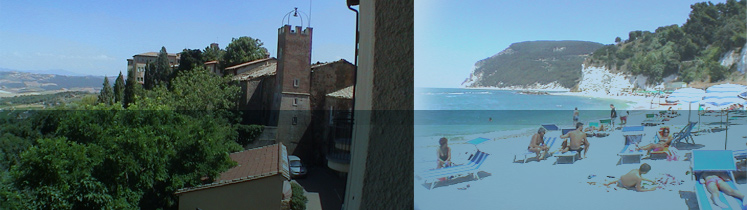
If youre looking for a place where you can do something different every day, Lake Garda is the ideal place for you. Lake Garda is blessed with more than 45 km of free beaches in some of the most evocative and celebrated scenery of the whole Europe, insluding medieval towns, historical villas and ancient castle. It is enriched by its green hinterland with pastures and vineyards which produce wines know throughout the world such as Custoza and Bardolino.
The wines produced on the Riviera Veronese of Lake Garda are successfully exported all over the world. The typical ones, granted by brand names of controlled origin are: Bardolino in its versions: Classico, Chiaretto and Novello; the Bianco di Custoza, the Valdadige and the Lugana. Those who intend to stay in the region have te possibility to discover the places where wine is produced, visit the great number of cellars situated along the wine routes and buy wine directrly for the vineyard owners. Wine lovers must absolutely consider a visit to the wine museum in Bardolino to admire the exhibition of historical tools used in the wine production as well as a photo-gallery af all the DOC wines produced in the area of Verona.
In Bardolino throughout the centuries an extraordinaru historical and artistic heritage has formed revealed today by the towers and remains of the scaliger walls, by the beaytiful churches (small masterpieces of Romanesque art) and by the garden parks and Venetian style villas. Gazing across Lake Garda from the town of Desenzano on its southwest bank, the view is quite spectacular. Lake Garda has more in common with southern Italy.
On the southern shore, jutting into Lake Garda, lays Sirmione with its quite cobblestone streets, thermal bats, fairytale castel, olive groves and quite Lake Garda hotels. Some important museum are: the Museo Scaligero at Malcesine, The Civic Museum at Caprino Veronese, Museo Historical Palazzina at Peschiera del Garda, The Napoleonic Museum at Rivoli Veronese, the Archeological Museum at Cavaion Veronese.
The Museum Scaligero located at Torri del Benaco, is veri important for ethnological aspects and it shows some objects connected to the trades carried out int the area: one room shows the activities of the 'calafati', artisans dedicated to repairing fishing boats of inland waters. In the room of the inhabitants there is the story of the fishermen guilds of the ancient inhabitants of Torri and Garda started in 1452 and still working today. One section illustrates the rock graffiti of Lake Garda which has preistoric origins. Inside the castle a small botanical kitchen garden collect the main plants of the environment of the place (sub-Mediterranean vegetation) and, learning on the southern part of the castle we find one of the few greenhouses for citrus fruit still working aroung Garda it dates back to 1760.
The Veronese east bank of the Lake produced olive oil and famous wines, such as Valpolicella and Bardolino. Looming above the areai is Mount Blado with its three peaks. Projecting through the last glacial sheet, its uniwue flora is a throwback to pre- glacial times. The rich soil and mild climate of the Lake area encourages an abundance of wildlife and flora. Cedars, olives, lemonand plam trees flourish and the Gorgeous shoreline offers pristine beaches. Numeros ancient castels dot the hillsides. The cablecar ride to Mount Baldo provides magnificent views of Lake Garda and the mountains beyond experience the thrilling emotions of the amusement parks, enjoy the beauty of the natural and thermal parks, visit places rich in history and culture, enjoy the sight of wonderful landscapes.
By: christopher panduro
Christopher Panduro Lake Garda Travel guide